

Attack Surface Drift: How Your Code Changes Faster Than Your Scope
Every pull request is a potential scope expansion. Static pentest scopes do not account for the code that ships between engagements.
How attack surfaces change, what pentests miss, and how autonomous testing fills the gaps.
Every pull request is a potential scope expansion. Static pentest scopes do not account for the code that ships between engagements.

Autonomous tools test continuously against known technique libraries. Red teams test adversarial creativity. The two answer different questions.
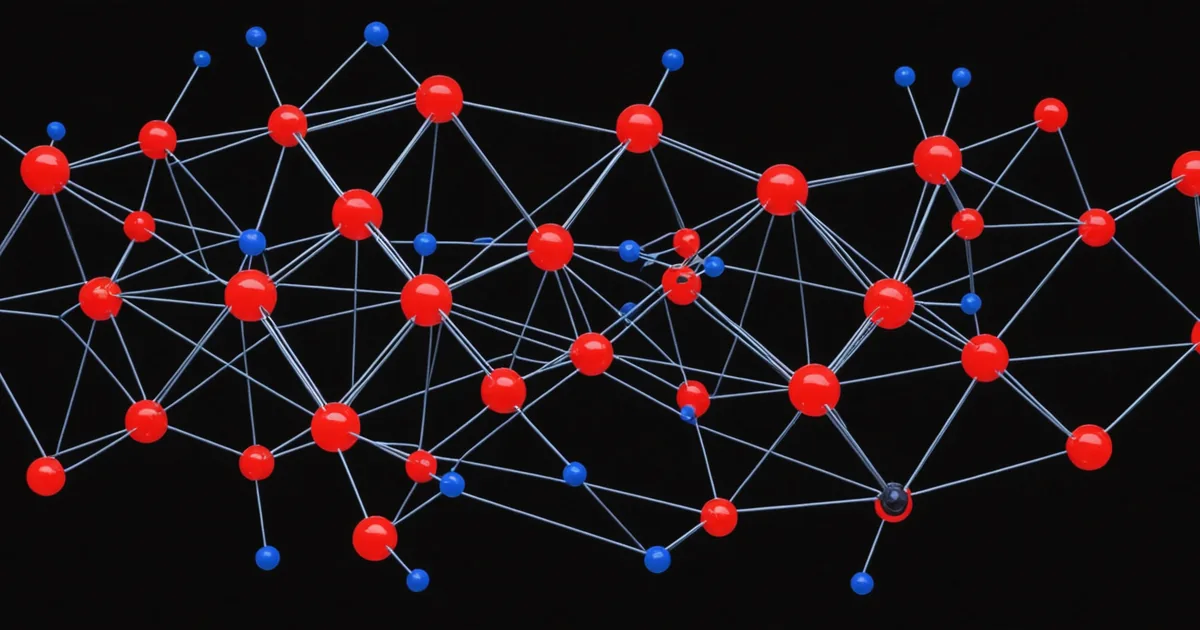
A CVE in isolation is background noise. An exploit chain from that CVE to your payment processor is a five-alarm incident. The difference is context.
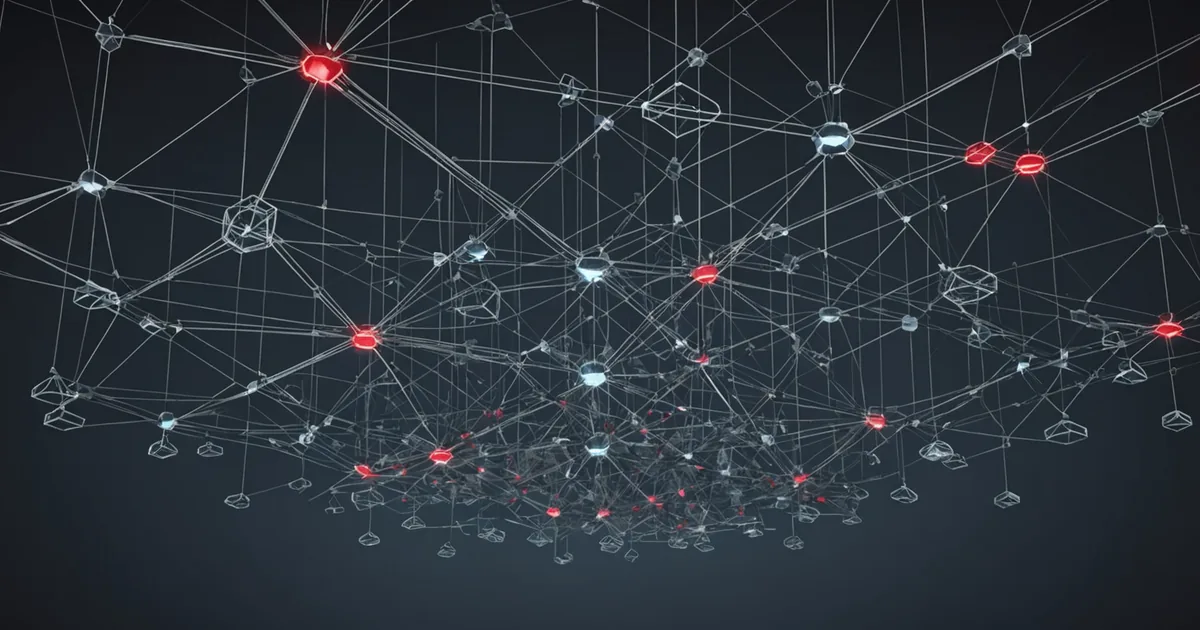
Most pentest scopes cover the application layer and skip the cloud control plane. Overpermissioned IAM roles and public S3 buckets are rarely in scope.

SAST tools find code patterns. Broken Object Level Authorization only shows up when you test how a real token interacts with a real endpoint.

The objection to security gates in CI/CD is always speed. Here is how to run meaningful security checks without adding 45 minutes to every deployment.

Supply chain attacks work because dependency trees are large, transitive, and rarely inspected. A hostile package update can execute code in your production environment.
Ticking off OWASP categories gives you a list of vulnerability classes. It does not tell you whether those classes are exploitable in your specific stack.
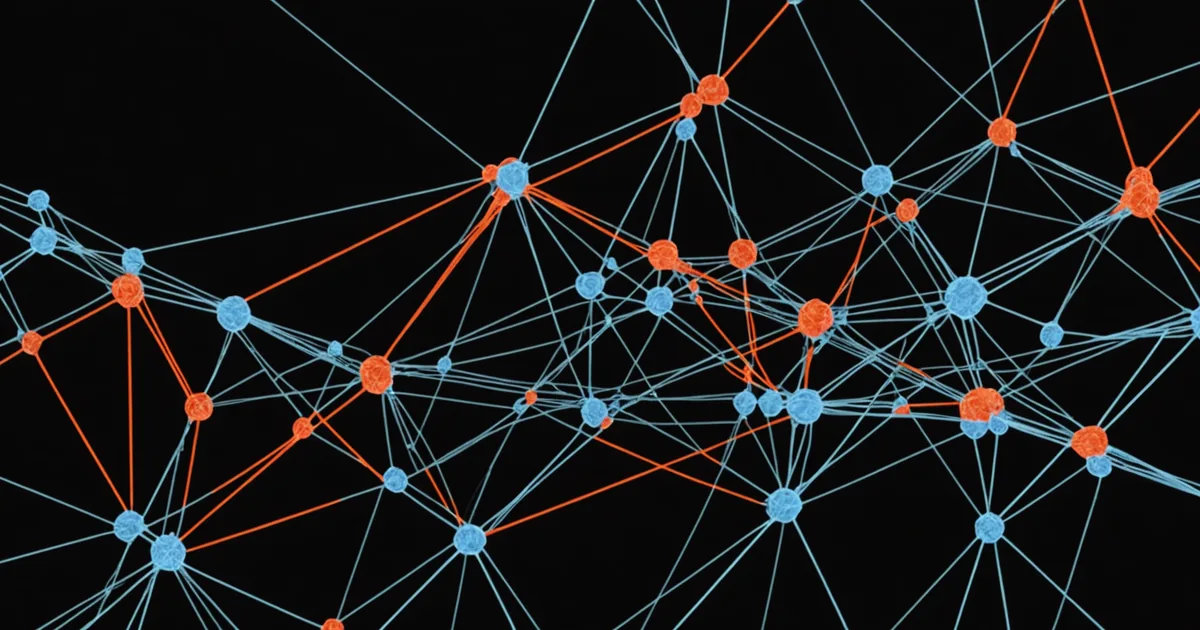
The hard part is not finding individual vulnerabilities. It is tracing how a weakness in a dependency connects to a cloud role and reaches sensitive data.

Monoliths have one attack surface. Microservices have N attack surfaces and N service boundaries that each need authorization enforcement.

Security spend is hard to justify because value is negative: you are buying the absence of a breach. Here is how to frame pentest ROI in terms a CFO can verify.

Most teams track time-to-patch. Fewer track time-to-exploit: how fast an attacker could move from CVE disclosure to unauthorized access given your current posture.